

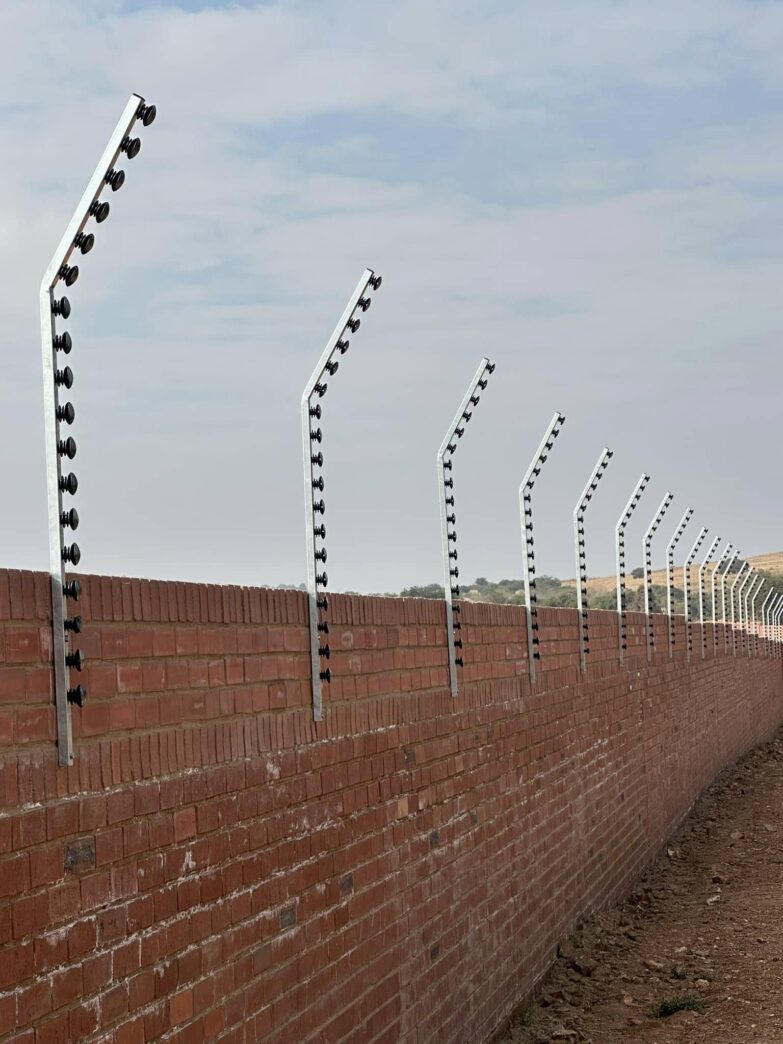
Electric Fencing is one of the most effective perimeter deterrents for South African homes, estates, and commercial sites when it is designed correctly, installed by qualified professionals, and kept compliant. The right setup helps stop easy wall-scaling, improves perimeter visibility, and supports faster response when a breach happens.
Table of Contents
- Why Electric Fencing still matters
- What a high-security installation should include
- Electric Fencing compliance in South Africa
- How to choose the right installer
South African property owners do not need more guesswork around perimeter security. They need a system that deters intruders before they reach the building, holds steady voltage, and meets legal requirements. That is why Electric Fencing remains a practical choice for homeowners, estates, warehouses, and business parks. Fence Erect focuses on perimeter protection for homes and businesses in Sandton, Bryanston, and the wider Gauteng area, with tailored installations built to deter, protect, and last.
A stronger perimeter matters in a country where crime levels still remain high, even as some categories improved in the third quarter crime release covering 1 October to 31 December 2025. The broader point for property owners is simple: perimeter weakness still creates opportunity.
Why Electric Fencing Still Matters
Electric fencing works because it changes how a property looks to someone testing for an easy entry point. A plain wall can become a climb route. A properly installed wall-top electric fence adds height, visibility, and immediate deterrent value. For residential electric fencing, that often means better protection against wall-hopping and blind spots along the boundary. For commercial electric fencing, it helps protect long perimeters, service yards, loading areas, and vulnerable side boundaries.
This is also part of a larger security trend. Cognitive Market Research says the global electric fence systems market was estimated at USD 389.2 million in 2024 and projects growth through 2031, with South Africa also listed as a growing market within the Middle East and Africa segment. Smoothly put, the demand reflects a simple reality: more property owners want visible perimeter systems that work before an intruder reaches doors, windows, stock rooms, or vehicles.
Fence Erect’s own service positioning speaks to that need. The company markets electric fencing as perimeter security for homes, estates, and businesses, alongside wider Our Services for layered security.
What A High-Security Installation Should Include
Not every fence system gives the same level of protection. A strong installation starts with the layout, but real performance depends on the full system working together.
A high-security setup should include:
- the correct fence design for the wall, boundary, or free-standing section
- a quality energiser sized for the site
- stable voltage across the full perimeter
- proper earthing and wiring
- clearly visible warning signs where required
- neat brackets, tensioning, and isolation
- testing after installation
- a compliance process handled by a qualified installer
Poor voltage output usually points to a bigger problem than “the fence is on.” You may have vegetation touching the lines, damaged insulators, bad joints, weak earthing, cable faults, or an energiser that no longer matches the site. Old or faulty energisers also reduce the value of the whole system. A fence only deters when it works consistently.
That is why site-specific design matters. Residential electric fencing often needs attention around gates, corners, shared walls, and neighbour-facing boundaries. Commercial electric fencing may need stronger zoning, longer runs, and better planning around access points. The goal stays the same: remove weak spots and make the perimeter harder to test.
For broader boundary protection beyond wall-top systems, businesses and larger properties should also look at Perimeter Security & Fencing as part of a complete site plan.
Electric Fencing Compliance In South Africa
Compliance is not optional. South Africa’s Electrical Machinery Regulations, 2011 include an annexure for an electric fence system certificate of compliance, and the regulations make clear that electric fence systems must meet the required standard.
For property owners, that means two practical things. First, you should use electric fence installers who understand the regulatory side, not only the hardware. Second, you should not ignore changes, damage, or past poor workmanship, because non-compliant fencing can create legal and safety problems on top of security risk.
A compliant installation usually focuses on:
- correct installation methods
- safe placement and configuration
- required signage
- proper testing
- certificate of compliance where applicable
This is where many properties get caught out. The fence may still be standing, but the voltage is weak, the warning signs are missing, the energiser is outdated, or past repairs were done badly. That leaves you with a perimeter that looks protected but performs poorly.
Choosing Electric Fence Installers For Homes, Estates And Businesses
The right installer does more than mount brackets and switch on an energiser. They assess the property, identify climb points, check wall condition, review access areas, and recommend a system that suits the actual risk on site. That matters for homeowners dealing with break-ins over boundary walls, estates trying to maintain consistent standards, and warehouses needing stronger perimeter control around stock and vehicle areas.
A good installer should also explain the difference between a basic setup and a high-security one. Some properties only need wall-top electric fencing with clean routing and reliable voltage. Others need a more advanced perimeter plan with upgraded energiser installation, repairs to older lines, and integration into wider security electric systems. The point is not to oversell. The point is to design a system that closes obvious gaps and performs properly every day.
When comparing electric fence installers, ask practical questions. Do they inspect the full perimeter before quoting? Do they explain the compliance side clearly? Can they assess existing faults instead of automatically replacing everything? Do they work on both residential electric fencing and commercial electric fencing? Clear answers usually tell you a lot about the quality of the company behind the quote.
Fence Erect positions itself around tailored perimeter security for homes and businesses, including electric fencing, repairs, upgrades, and broader Perimeter Security Fencing in South Africa solutions for stronger site protection.
Common Problems That Reduce Fence Performance
Many electric fence failures start small and get ignored until the system stops doing its job. A fence can still look fine from the street while the actual deterrent value drops week by week. That is why inspections, repairs, and maintenance matter just as much as the first installation.
A few common issues show up again and again. Vegetation touches live wires and causes voltage loss. Insulators crack. Tension drops. Joints corrode. Warning signs go missing. Old energisers struggle to hold output across the full line. On some sites, earlier repairs were done cheaply, which creates hidden weak points that only show up when a breach or fault happens.
For homeowners, this often means a false sense of security. For warehouses and commercial properties, it can mean a long perimeter with inconsistent output and sections that become easy to test. In both cases, the solution is the same: check the fence properly, fix the weak points, and make sure the system remains compliant.
Get A Quote For Electric Fencing
If your property has a climbable wall, weak perimeter visibility, an old energiser, or a fence that no longer feels reliable, now is the time to act. Electric fencing works best when it is planned for the site, installed neatly, tested properly, and kept compliant.
Fence Erect helps property owners secure homes, estates, and commercial sites with practical perimeter protection that fits South African conditions. Whether you need a new wall-top installation, an energiser upgrade, fault finding, or a full perimeter assessment, the goal stays simple: reduce easy access and strengthen your first line of defence.
Contact us for a free quote today through Contact Us.
FAQ’s
How effective is electric fencing for residential properties in South Africa?
Electric fencing is highly effective when it is installed correctly and matched to the layout of the property. It works best as a visible deterrent that makes wall-scaling harder and riskier for an intruder. For homes, the real value comes from consistent voltage, correct bracket placement, good visibility along the boundary, and proper maintenance over time. A poorly installed system will always underperform, so homeowners should focus on design quality, compliance, and after-installation testing rather than price alone.
Does electric fencing need a certificate of compliance in South Africa?
In South Africa, electric fence systems must meet legal and technical requirements, and the compliance side should never be treated as optional. Whether a certificate of compliance is required in your situation depends on the installation and work being done, but property owners should always use qualified installers who understand the regulations and can guide them correctly. This protects you from safety issues, poor workmanship, and legal headaches later. It also gives you confidence that the fence is not only installed, but installed properly.
What causes low voltage on an electric fence?
Low voltage usually means something in the system is interfering with performance. Common causes include plant growth touching the wires, damaged insulators, loose or corroded joints, poor earthing, cable faults, or an energiser that is too old or no longer suitable for the perimeter length. In some cases, previous repairs may have been done badly and created hidden faults. The best approach is a full inspection rather than a guess, because low voltage often points to several small issues working together across the fence line.
How do I choose the right electric fence installer?
Start with experience, but do not stop there. The right installer should inspect the site properly, explain the best layout for the property, understand electric fence compliance, and give practical feedback on existing faults or weak points. They should also have experience with the kind of property you are securing, whether that is a home, estate, office park, or warehouse. A strong installer focuses on performance, safety, and long-term reliability, not just on putting up the cheapest system possible.
Last updated: March 2026